Graventia
Polymer Clay Project Gallery
Visual references highlight process, comparison, and finished results in polymer clay work.
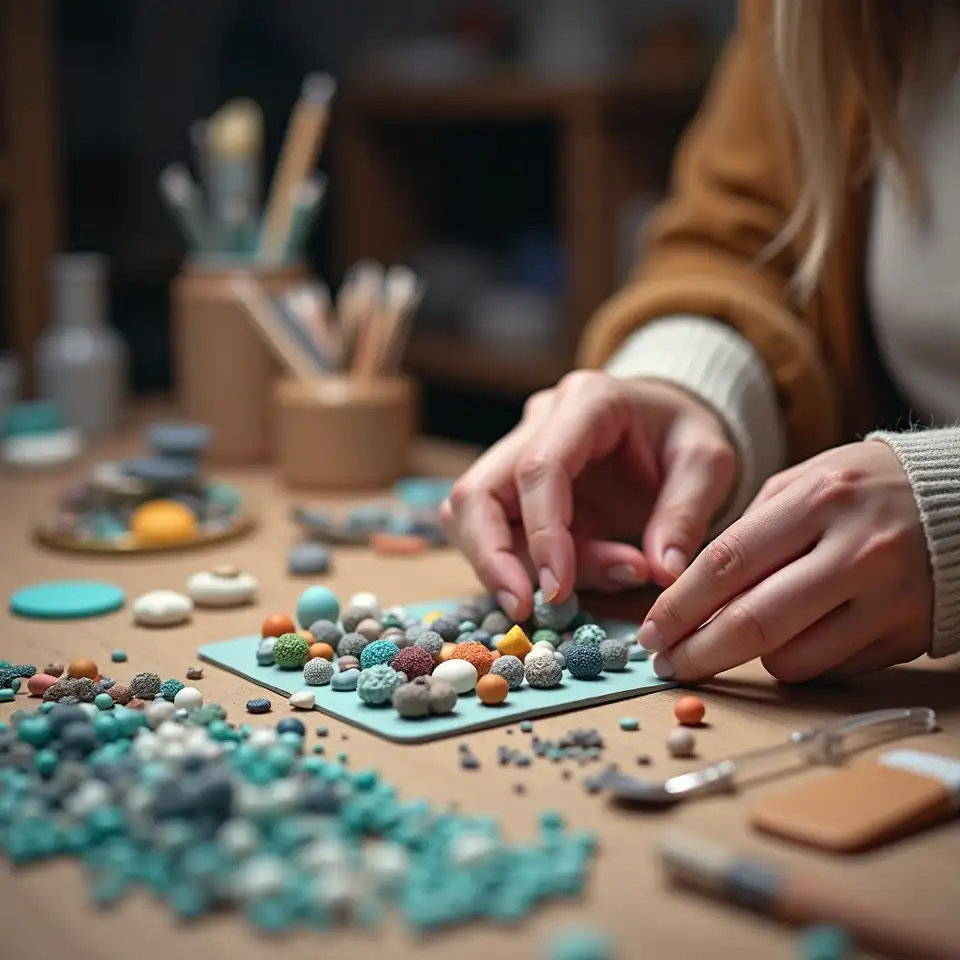
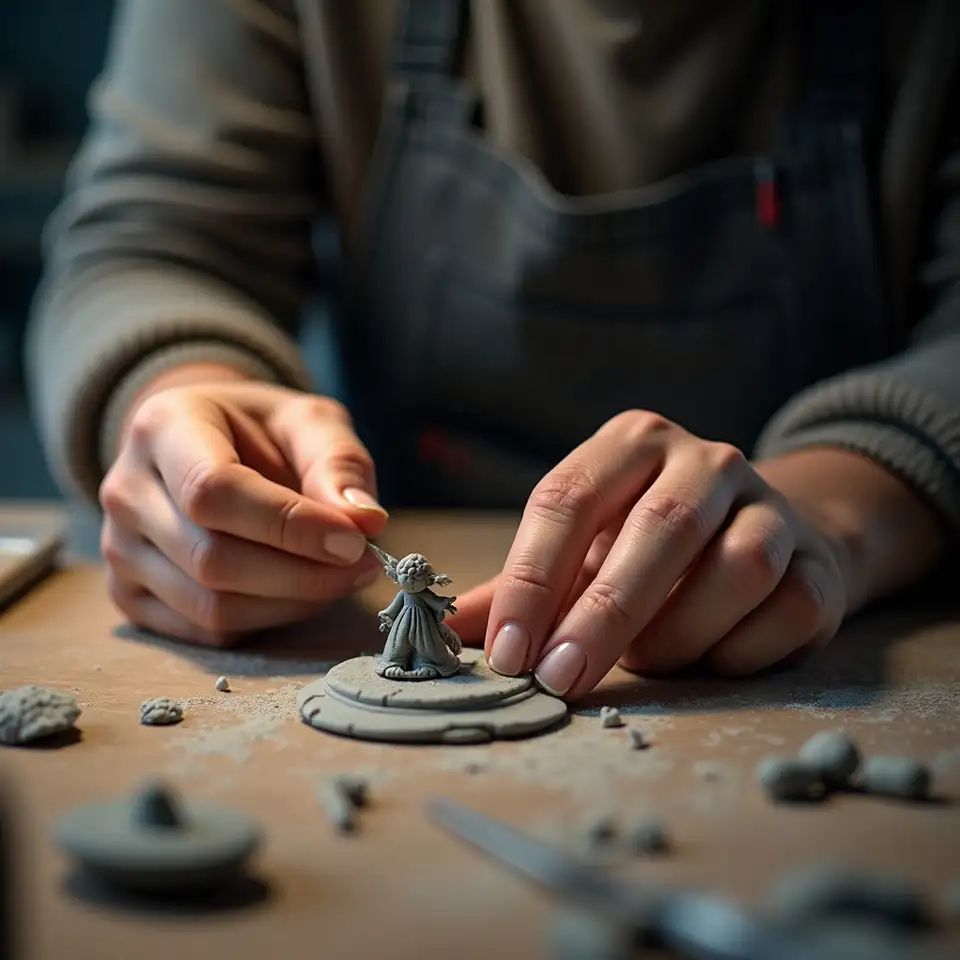
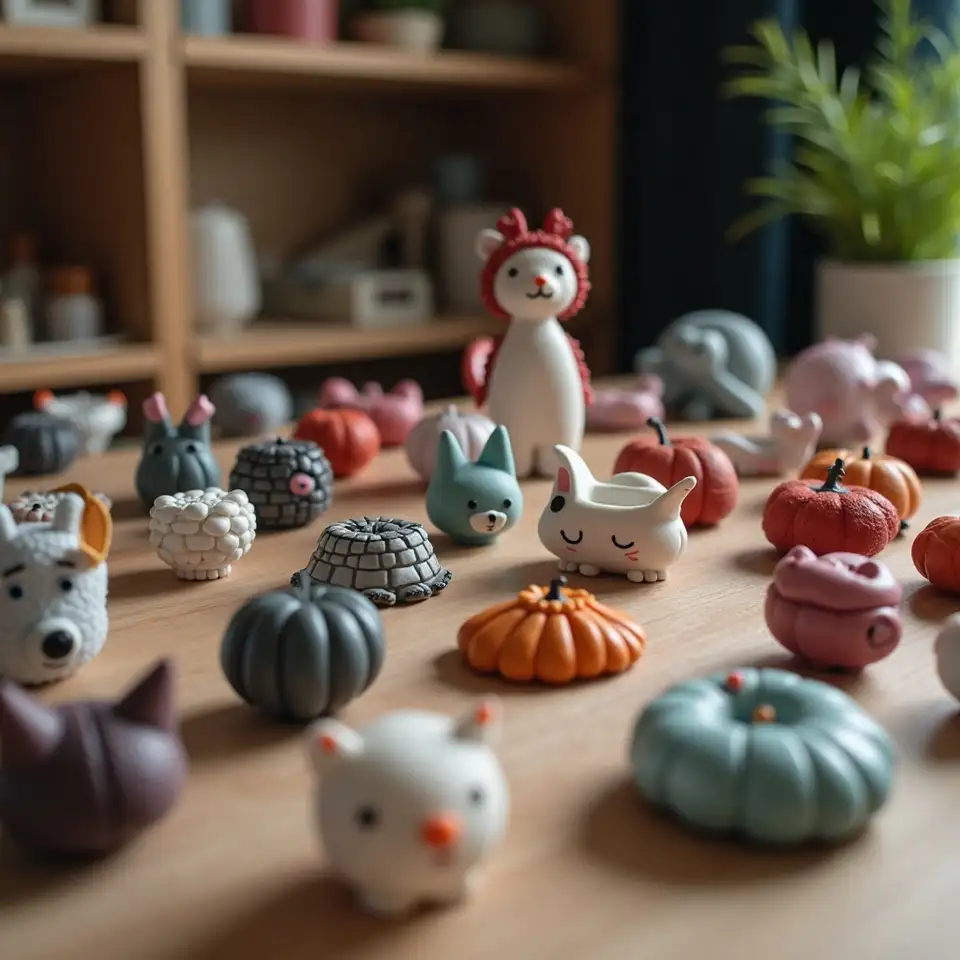
Process and Compliance: A Reference Approach
Our process prioritizes comparative evaluation, regulatory compliance, and reference documentation for Canadian polymer clay hobbyists.
Polymer clay crafts are defined by the synthetic composition and low-temperature curing process. Our approach involves methodical comparison with alternative hobby materials and compliance with Canadian guidelines.
Each polymer clay technique is assessed in relation to traditional craft materials.
Differences in curing, flexibility, and material safety inform our documentation
process. We log comparative findings to support clarity for hobbyists.
Our team maintains a process of scheduled internal review. All project ideas are
documented in cycles, with new methods and findings incorporated as the regulatory
environment shifts. We do not offer instruction, but rather reference materials.
Canadian compliance standards are central to our workflow. We update documentation
in line with evolving guidelines, providing a reference framework that supports safe
and responsible crafting for polymer clay enthusiasts.
Comparative Process Documentation and Compliance
Comparative analysis, compliance focus, and technical reference for polymer clay
projects in Canada.
Polymer clay is defined as a synthetic, oven-bake modeling compound. Our documentation approach compares this medium with other hobby materials, focusing on compliance and technical reference.
Our team applies a structured review method, comparing polymer clay to ceramics, air-dry
clays, and paper-based materials. Each technique and project is documented with emphasis
on process clarity rather than instructional steps.
Compliance with Canadian hobby and craft guidelines informs each reference. Updates are logged regularly to reflect new regulations and safety recommendations. We do not offer structured training, but provide technical archives for hobbyists to consult.
Every project reference is positioned as a conceptual resource. Users are encouraged to adapt methods and materials according to their own requirements, with the understanding that outcomes may differ based on tools and individual practice.
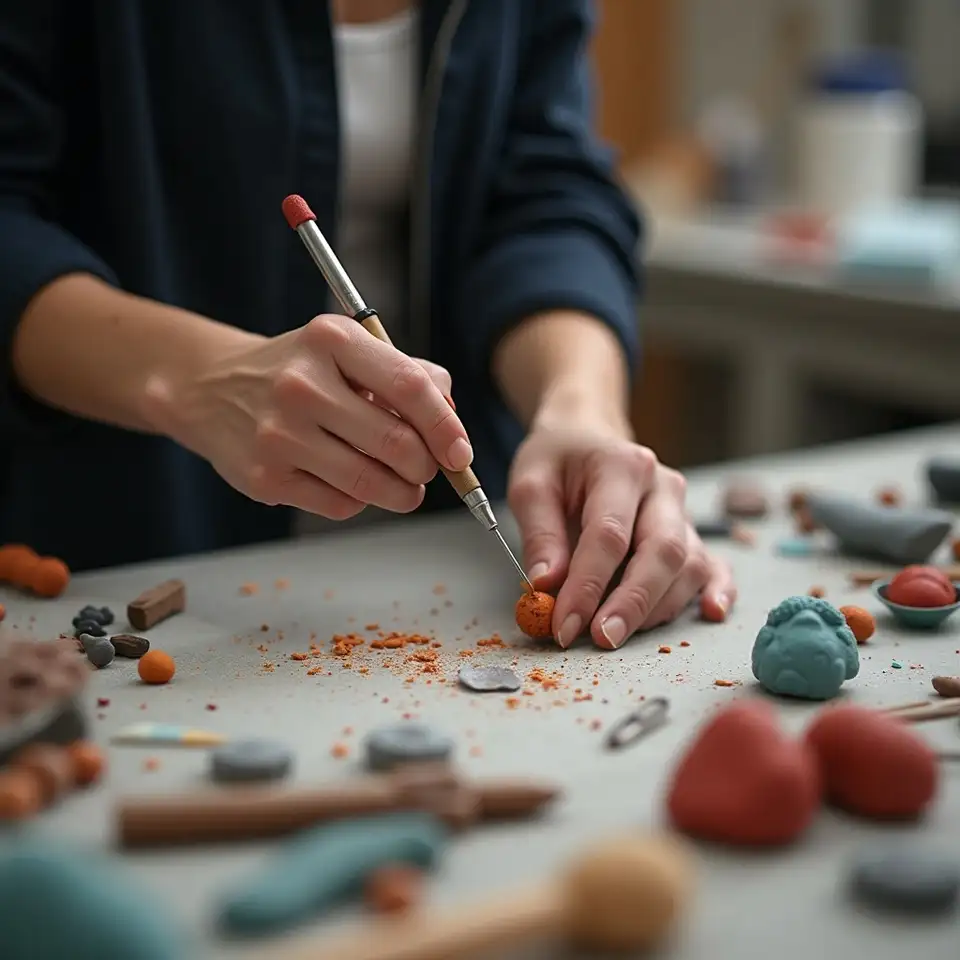
Defining Polymer Clay Craft Approaches
Comparing methods, clarifying process
Polymer clay is a synthetic modeling compound formed from polyvinyl chloride and
plasticizers. Its malleability distinguishes it from traditional sculpting materials
such as ceramic or air-dry clays. We define polymer clay crafts as the process of
shaping, baking, and assembling objects using this medium. Our process prioritizes
methodical review—each technique is compared to alternatives, including natural
clays and other hobby materials, to clarify where polymer clay offers distinctive
advantages. Team members contribute through scheduled technical audits and
collaborative project logs. Rather than promising fixed outcomes, we emphasize
repeatable methods and risk management. The Canadian regulatory context informs our
review cycle and documentation practices. We adapt project ideas to fit evolving
compliance standards. Our work is not intended as training or structured learning,
but instead as a reference for those exploring polymer clay within a broader context
of crafts. You are invited to examine our project insights and process notes as a
foundation for your own creative experiments.
Methodology for project evaluation
Technical Comparison
Polymer clay, in this context, refers to a modeling material based on synthetic
compounds. We outline how our team assesses the strengths and limitations of polymer
clay relative to other crafting mediums. Unlike traditional ceramics, polymer clay
does not require high-temperature kilns, allowing for greater flexibility in home
hobby settings. Our approach involves collective review sessions where techniques
are documented, and alternatives are logged for comparison. We do not offer lessons
or training. Rather, we catalog methods and project ideas as a technical reference.
Our compliance standards reflect current Canadian requirements, and each process is
periodically audited for alignment with those standards. The purpose is to support
informed exploration without claiming guaranteed outcomes.
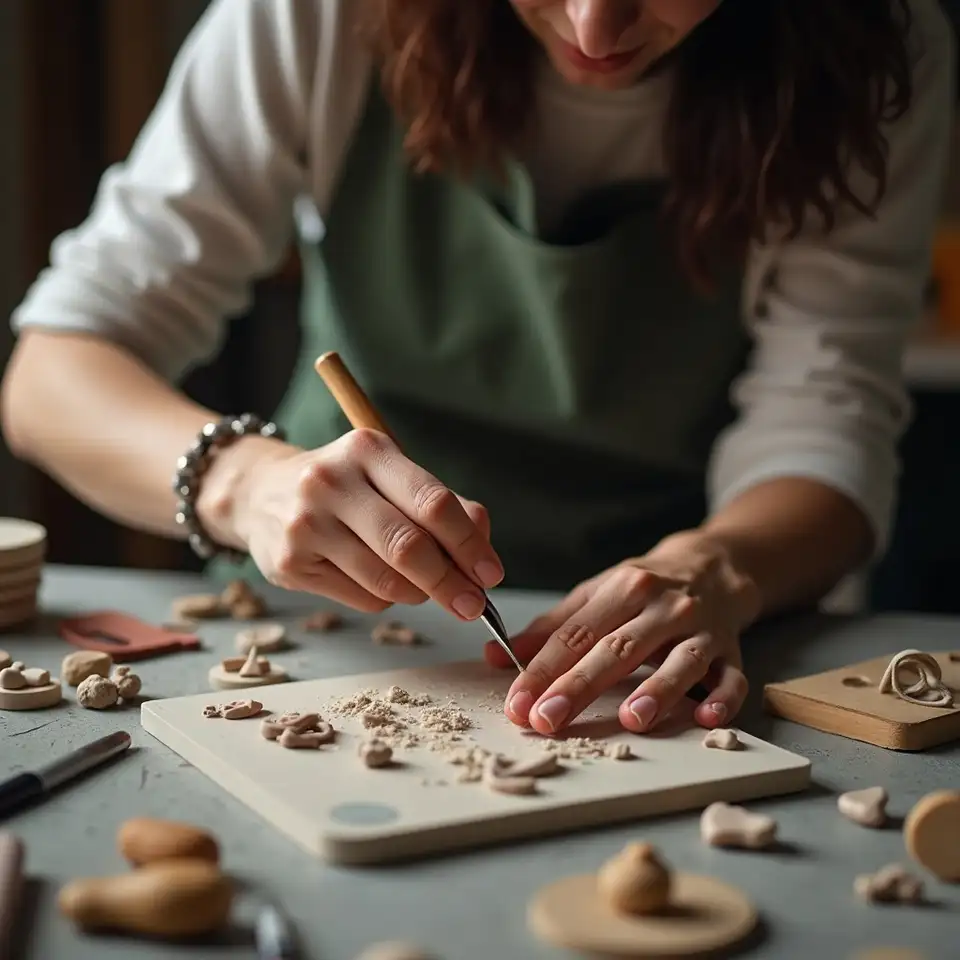
Polymer clay, as defined here, is assessed against alternatives using a process grounded in compliance and internal review. Our references support Canadian hobbyists seeking technical clarity.
Defining, Comparing, and Reviewing Polymer Clay Projects
Polymer clay is defined as a synthetic modeling material, distinct from traditional hobby clays. Our approach prioritizes methodical comparison and compliance in every project reference.
We start by specifying the technical properties of polymer clay. Its low-temperature curing distinguishes it from ceramics and air-dry clays, supporting hobbyist applications that do not require specialized equipment. This material property drives many of our comparative reviews.
Our team structure centers on collaborative project evaluation. Each member logs
insights and alternatives, and all techniques are reviewed in documented cycles. We
focus on reference documentation, not on offering structured instruction or training.
Compliance with Canadian regulatory standards underpins our process. Each reference project and comparative review is updated as relevant regulations or safety guidelines change. This positions our content as a dynamic technical archive, supporting safe and informed crafting.
Process, Review, and Reference Points
Polymer clay crafts are defined by the material’s synthetic composition and its adaptability across creative applications. Our team applies a technical, method-based approach to reviewing and documenting processes. Each perspective is grounded in comparison and compliance, with an emphasis on clear, accessible project documentation for Canadian hobbyists.
Flexible Process Options
Polymer clay does not require a kiln, unlike ceramics, reducing both equipment needs and process complexity. This makes it suitable for hobbyists seeking flexibility in crafting environments.
Comparative Analysis
Our process logs compare polymer clay to alternative hobby materials such as air-dry
and paper clays, documenting where each medium fits within common project types.
Compliance-Driven Review
Each project reference is reviewed periodically to ensure alignment with Canadian
regulatory frameworks and material safety guidelines.
Reference Over Instruction
Documentation serves as a technical archive, not a structured training resource, and
supports users looking to explore methods rather than follow prescriptive steps.
Reference Projects and Techniques
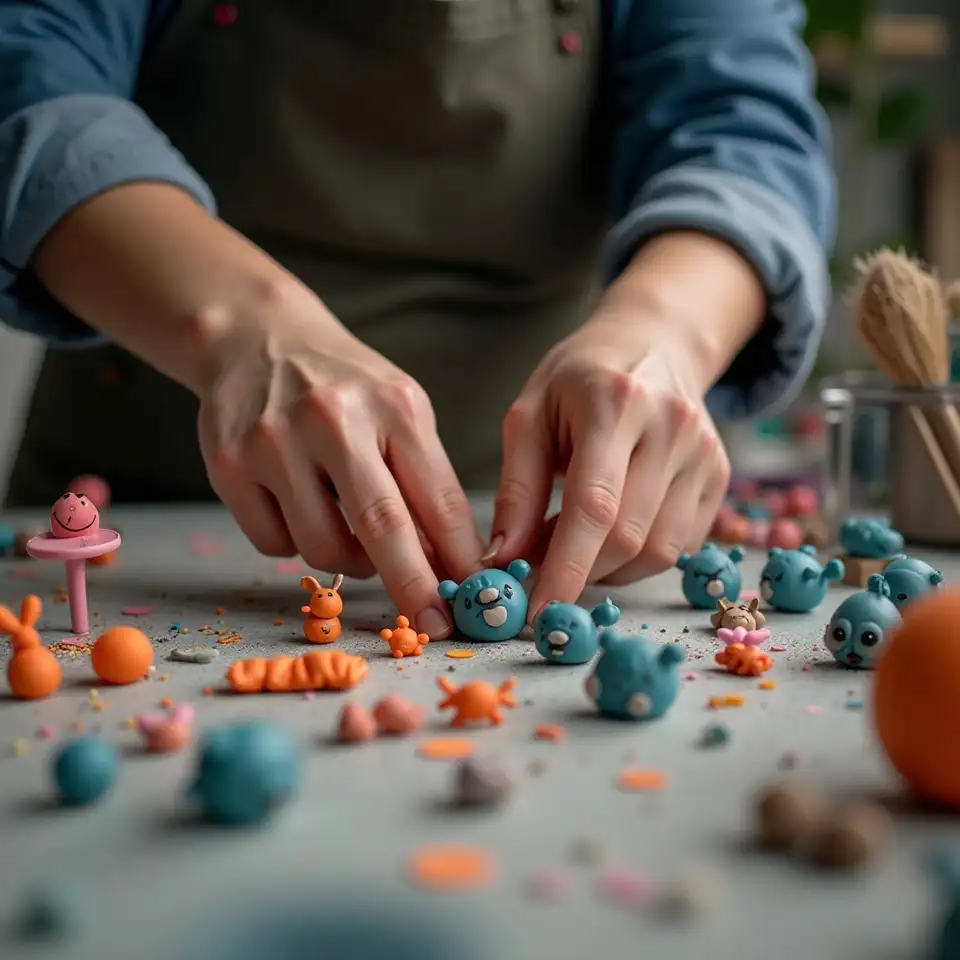
Polymer clay is defined here as a versatile, oven-bake sculpting material that supports a variety of creative applications. Our workflow involves analyzing each technique against both traditional and modern hobby alternatives. This comparative process is documented through internal reports and visual records. Unlike some craft practices, we do not structure our guidance as stepwise training or formal instruction. Each project featured serves as a conceptual reference only. All processes are reviewed in accordance with current Canadian compliance frameworks, with periodic updates as regulations evolve. We welcome practitioners and hobbyists to adapt these references for their own purposes, noting that individual results will depend on personal technique, available tools, and evolving standards.